From Topic to Screen: A Short-Form Video Series for Yahoo UK
Yahoo UK commissioned 42 Video to develop and produce a substantial series of original short-form videos for its digital audience. Beginning with titles and subject ideas supplied by Yahoo, our team transformed each topic into a complete video through creative development, research, scriptwriting, pre-production, filming, animation and post-production.
The completed project included 21 short-form videos covering entertainment, lifestyle, food and factual subjects. Rather than approaching them as isolated productions, 42 Video created a coordinated workflow that could deliver distinctive, high-quality films at scale. Across the promoted videos for which viewing figures were documented, the series generated more than 550,000 views.


Project Details
Work Completed
Developing and Producing 21 Original Short-Form Videos for Yahoo UK
Yahoo UK approached 42 Video with a bank of editorial titles and subject ideas rather than completed scripts or fixed treatments. Our task was to decide how each idea could become an engaging film, then manage the creative and production process needed to take it from a working title to a finished digital asset. This required more than simply recording a presenter or adapting one repeated format. Every subject needed an appropriate script, visual structure, contributor setup and production method.
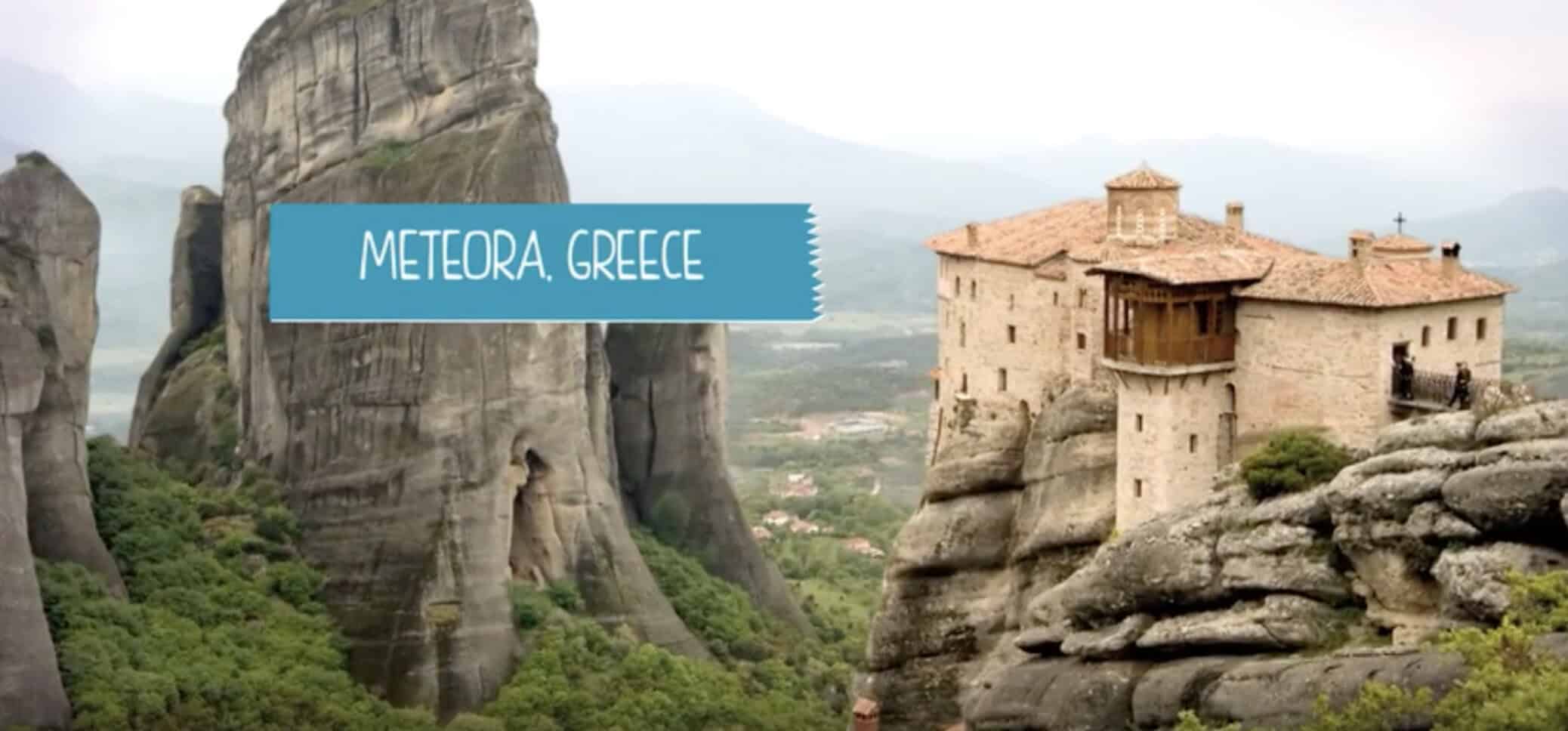
The topics were deliberately varied. Entertainment-led films included 8 of the Worst Irish Accents in the Movies and 7 Times Movie Extras Stole the Show. Practical and question-based subjects included Why You’re Not Losing Weight at the Gym?, How to Tie a Tie and How to Get Red Wine Stains Out of Carpet. Food content ranged from The Fastest Way to Chop an Onion and The Fastest Way to Chop a Tomato to Best Ways to Cook a Steak and 5 Creative Kale Recipes. Factual films such as Weirdest Cleaning Habits from History and Alternative Wonders of the World needed a completely different creative treatment.
The diversity of the subject matter was one of the project’s greatest strengths, but it was also its central production challenge. A single branded film only needs to establish one tone and communicate one main idea. This series required 21 separate creative solutions. A food demonstration could not be written or filmed in the same way as an entertainment countdown, while an unusual historical fact could not always be shown through live-action footage. Each film needed its own identity without making the overall production workflow inefficient or inconsistent.
42 Video developed a scalable creative process around the content. Once Yahoo supplied a title, we considered the intended audience, the question or promise within the topic and the most effective way to communicate it visually. The script then established the opening hook, the information viewers needed, the order in which it should be presented and the visual opportunities that would help maintain attention. This allowed production decisions to be made from a clear creative foundation rather than being improvised on set.
That process is central to professional short-form video content production. Established brands, publishers and content teams rarely need just one disconnected social clip. They need a repeatable system through which multiple ideas can be researched, scripted, approved and produced without every film starting from the beginning as a separate project. The Yahoo series demonstrated how 42 Video can build that system around a varied editorial brief while protecting the quality and individuality of each asset.
Most of the films were produced using live action, with studio-style setups helping the crew work efficiently across the larger programme. Food and lifestyle subjects required presenters, ingredients, props, demonstrations and controlled camera positions. These practical elements needed to be prepared carefully because a seemingly simple 60 or 90-second film may still involve several stages, repeated actions, close-up photography and continuity between different shots.
Our studio video production capabilities allowed the team to create a controlled environment in which multiple assets could be captured efficiently. Lighting, camera positions, backgrounds and sound could be prepared around each group of related subjects, reducing unnecessary resets while still giving individual videos their own visual treatment. The greatest production efficiency came from planning connected batches, not from making every video look identical.
Producing content at this volume also required disciplined pre-production. Scripts, props, ingredients, contributor requirements and shot lists needed to be confirmed early enough for several films to move through production together. Decisions made for one video could affect the setup or schedule for the next, so the team planned the order of filming around shared resources while protecting any elements that made an individual idea distinctive. This reduced avoidable changes on set and helped the filming days remain focused on performance and visual execution.
Post-production followed the same coordinated approach. Each film needed to remain easy to identify, review and approve while edits, graphics and sound were progressing across the wider series. Clear asset organisation and repeatable review stages allowed feedback to be applied accurately without different titles, versions or visual treatments becoming confused. This was essential to delivering a varied content library as one managed programme rather than allowing 21 separate edit processes to compete for attention.
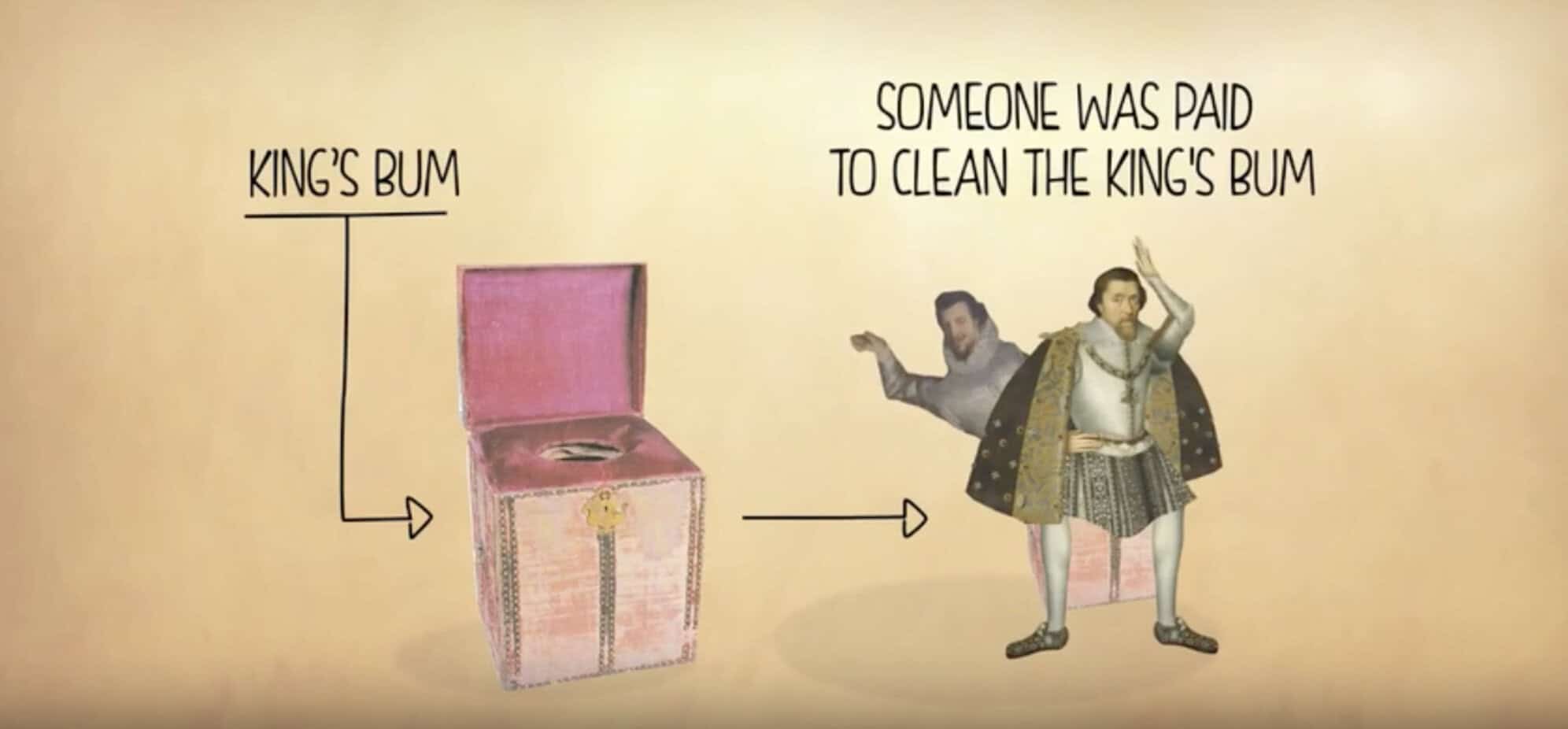
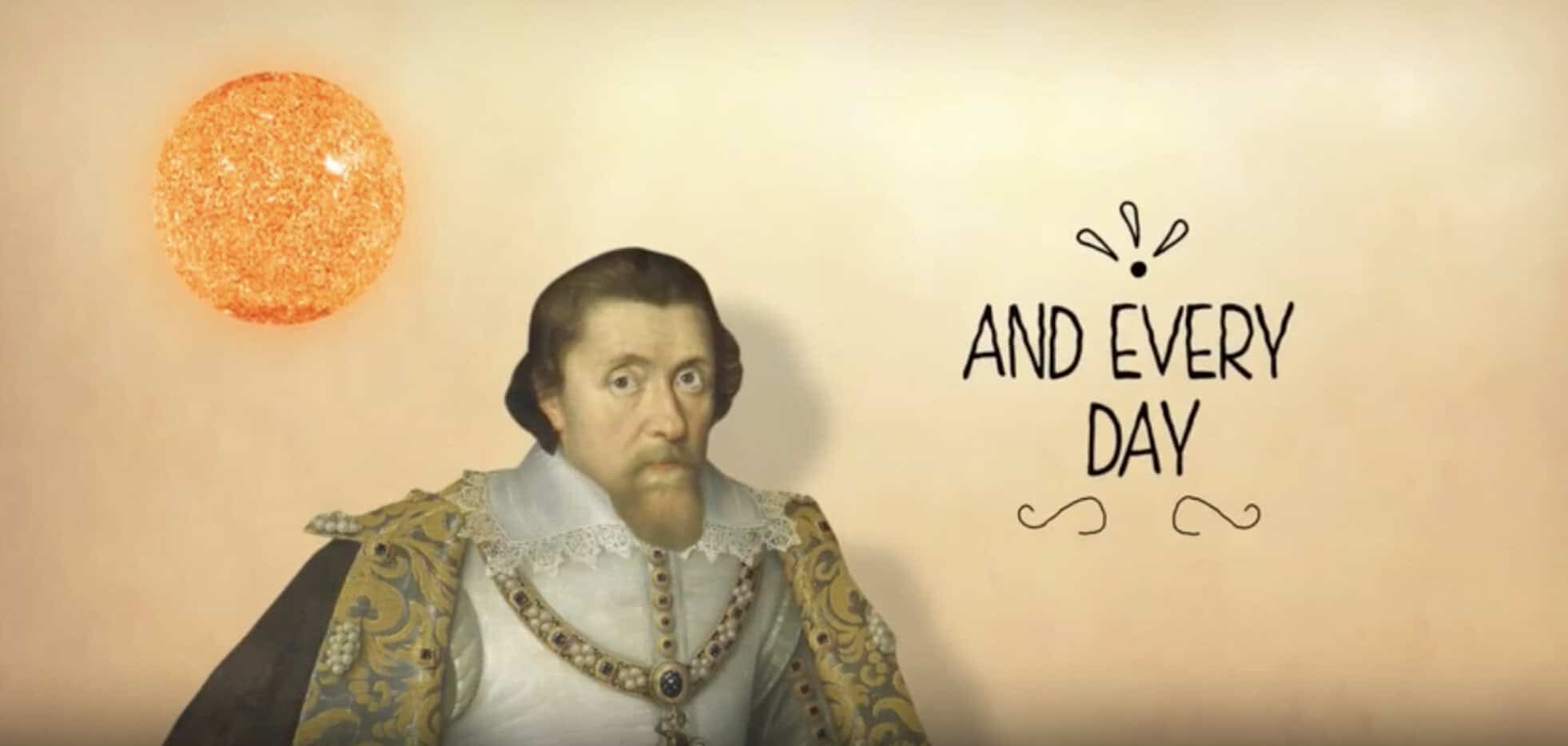
Other subjects were better suited to animation. Historical cleaning practices, geographical curiosities and abstract comparisons did not always provide suitable people, places or actions to film. For these videos, animated video production allowed information to be presented clearly through designed visuals, movement, text and illustration. Animation was chosen because it served the subject, not because it was being used as a substitute for filming.
One example is Weirdest Cleaning Habits from History, which used an entertaining educational format to explore unusual practices from different periods. Tap Water vs. Bottled Water also benefited from visual explanation because the subject involved a comparison that could be made clearer through structured information and supporting graphics. Selecting between live action and animation on a film-by-film basis allowed the series to remain varied while using the most suitable production method for each topic.
The films were created for an online audience, where the premise needs to become clear quickly. A title such as The Fastest Way to Chop a Tomato makes a direct promise, so the film has to establish the problem and begin delivering the answer without a lengthy introduction. A piece such as 7 Times Movie Extras Stole the Show works through curiosity, recognition and anticipation instead. The scripting and edit therefore had to respect the reason someone selected each video in the first place.
This digital-first thinking connects the project closely with our social media video production services. Strong short-form content is not simply a longer film cut down after production. The opening, pacing, captions, framing, visual information and final delivery all need to reflect how people encounter video online. Even when the work is produced to a high professional standard, it must still communicate immediately and feel natural within the platform or publisher environment where it appears.
The editorial nature of the series also demonstrates why brands and publishers work with experienced creative video agencies. Yahoo did not need a production supplier that would wait for 21 completed scripts and execute them mechanically. It needed a creative production partner capable of interrogating each starting idea, finding the strongest treatment and taking responsibility for the process through to delivery.
Across the selected promoted content for which Yahoo supplied figures, the series achieved more than 550,000 documented views. The Fastest Way to Chop a Tomato received more than 269,000 views, while 7 Times Movie Extras Stole the Show generated more than 109,000. 5 Creative Kale Recipes recorded more than 48,000 views and 8 of the Worst Irish Accents in Movies achieved more than 36,000.
The content also travelled beyond its original UK distribution. 7 Times Movie Extras Stole the Show was adapted for Yahoo’s Spanish-language audiences, with those versions generating a further 93,000-plus views. These figures relate to selected promoted content rather than every view generated by the complete library, and the wider series was still accumulating audiences when the results were recorded.
The performance supports the value of treating short-form content as an organised programme. By developing several topics together, brands and publishers can create a varied library that serves different audience interests while sharing one production framework. A clear content architecture, planned approval process and coordinated filming schedule can reduce duplication and give internal teams a more predictable flow of finished assets. These are also important principles within corporate video strategy and planning.
Many of the Yahoo films had an educational or explanatory purpose even when their tone was light. They answered recognisable questions, demonstrated useful skills and made factual subjects easier to understand. This provides a natural connection with both educational video production and professional explainer video production, where success depends on turning information into a structured, visually understandable story.
For 42 Video, the project remains a strong example of how a simple bank of topics can become a substantial, professionally produced content library. Yahoo supplied the editorial starting points, while our team provided the creative development, scripting, production choices and delivery workflow required to bring 21 different films to the screen. For brands, publishers and agencies planning a similar series, send us your content brief and we can develop a production model around the required volume, subjects, platforms and release schedule.
Planning a similar programme for a brand, publisher or agency? Our short-form video production service brings creative development, scripting, filming, animation and post-production together for professionally produced content batches and ongoing series.
FINISHED VIDEOS
What Ian Viggars, Head of Video • Yahoo UK Had to Say
“I commissioned 42Video to produce a series of evergreen original videos for Yahoo UK. The work was completed to an extremely high quality, with good communication throughout. The brief was met to a very high level, and the videos performed well on site too.”
Ian Viggars, Head of Video • Yahoo UK • MidCity Place, London.71 High Holborn Gallery
Explore the journey from script to screen, showing how raw concepts transform into high-end finished productions.